
Hospitality Guide
Restaurant Properties For Rent/Lease In Delhi, India
Leasing a commercial restaurant property in Delhi requires a sophisticated understanding of regional zoning regulations, historical high-street dynamics, and a highly discerning, status-conscious consumer base. One of the most critical hurdles for a restaurateur in Delhi is navigating the strict guidelines set by the Delhi Development Authority (DDA) regarding mixed-land use policies and commercial conversions. Operating an unauthorized commercial space can result in severe municipal penalties or sudden closure. Therefore, you must meticulously verify that the property holds a clean, undisputed commercial title, has paid all necessary conversion charges, and possesses the legal rights to install prominent external branding, rooftop exhaust systems, and heavy-duty three-phase electrical meters capable of handling massive kitchen power loads.
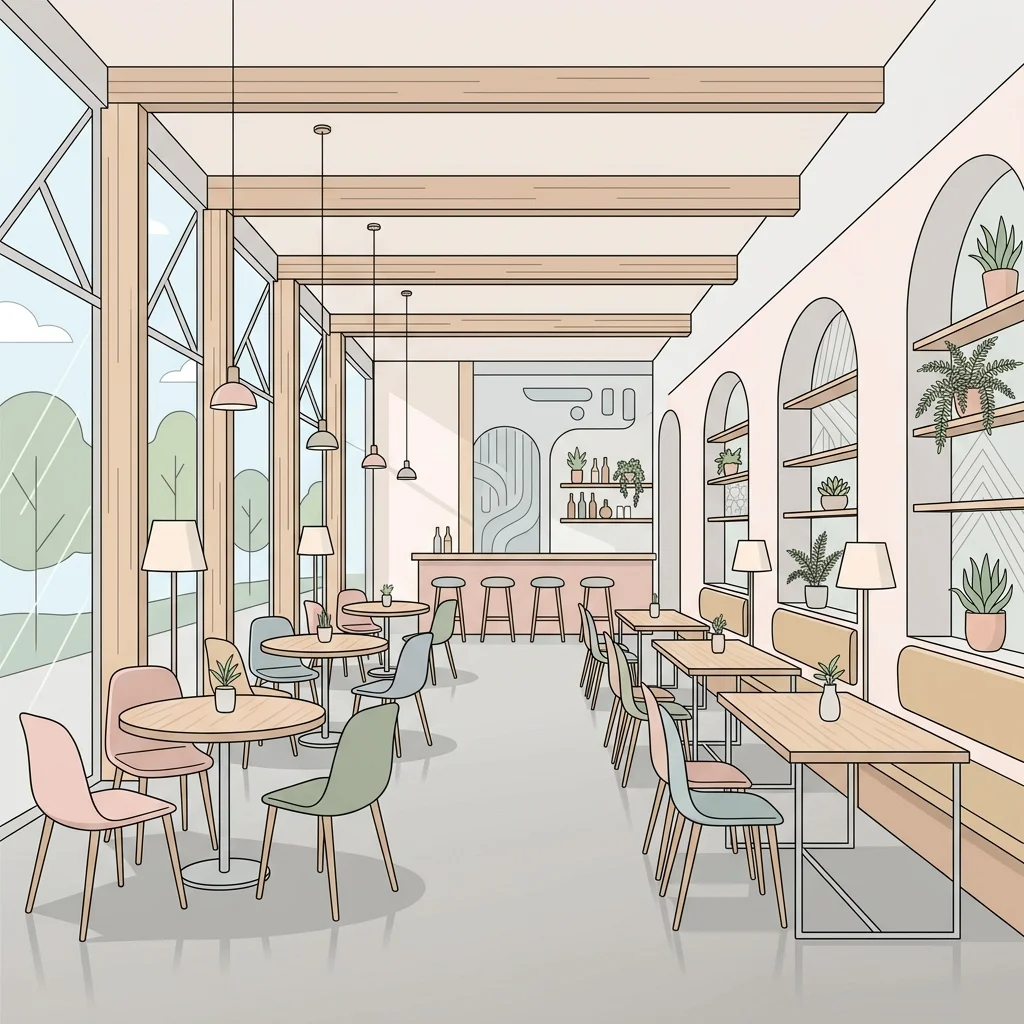
Leasing a commercial restaurant property in Delhi requires a sophisticated understanding of regional zoning regulations, historical high-street dynamics, and a highly discerning, status-conscious consumer base. One of the most critical hurdles for a restaurateur in Delhi is navigating the strict guidelines set by the Delhi Development Authority (DDA) regarding mixed-land use policies and commercial conversions. Operating an unauthorized commercial space can result in severe municipal penalties or sudden closure. Therefore, you must meticulously verify that the property holds a clean, undisputed commercial title, has paid all necessary conversion charges, and possesses the legal rights to install prominent external branding, rooftop exhaust systems, and heavy-duty three-phase electrical meters capable of handling massive kitchen power loads.
Delhi's dining audience is highly diverse, ranging from budget-focused students to ultra-wealthy business families and political elites, meaning your choice of physical property must perfectly echo your brand positioning. In premium, high-status retail hubs like Connaught Place, Khan Market, or the upscale high-streets of South Delhi (such as Greater Kailash, Saket, and Vasant Vihar), leased spaces command top-tier pricing but offer unmatched brand prestige and a highly affluent customer base that prioritizes luxury ambiance and privacy. Properties in these locations must offer wide column-free spaces to allow for opulent, uncompromised interior designs, high ceilings, and distinct acoustic insulation to create an exclusive atmosphere.
Conversely, if your concept targets the energetic, volume-driven markets of West Delhi (such as Rajouri Garden or Punjabi Bagh) or the student-heavy corridors of North Delhi, your real estate search should prioritize massive floor plates capable of hosting large group gatherings, multi-generational family banquets, and lively casual dining concepts. In these bustling zones, parking is historically a primary pain point for consumers. Restaurant properties that include dedicated basement parking, an exclusive valet parking tie-up with local authorities, or direct, unobstructed visibility from a major metro station exit consistently yield vastly superior walk-in conversions and sustained customer loyalty.