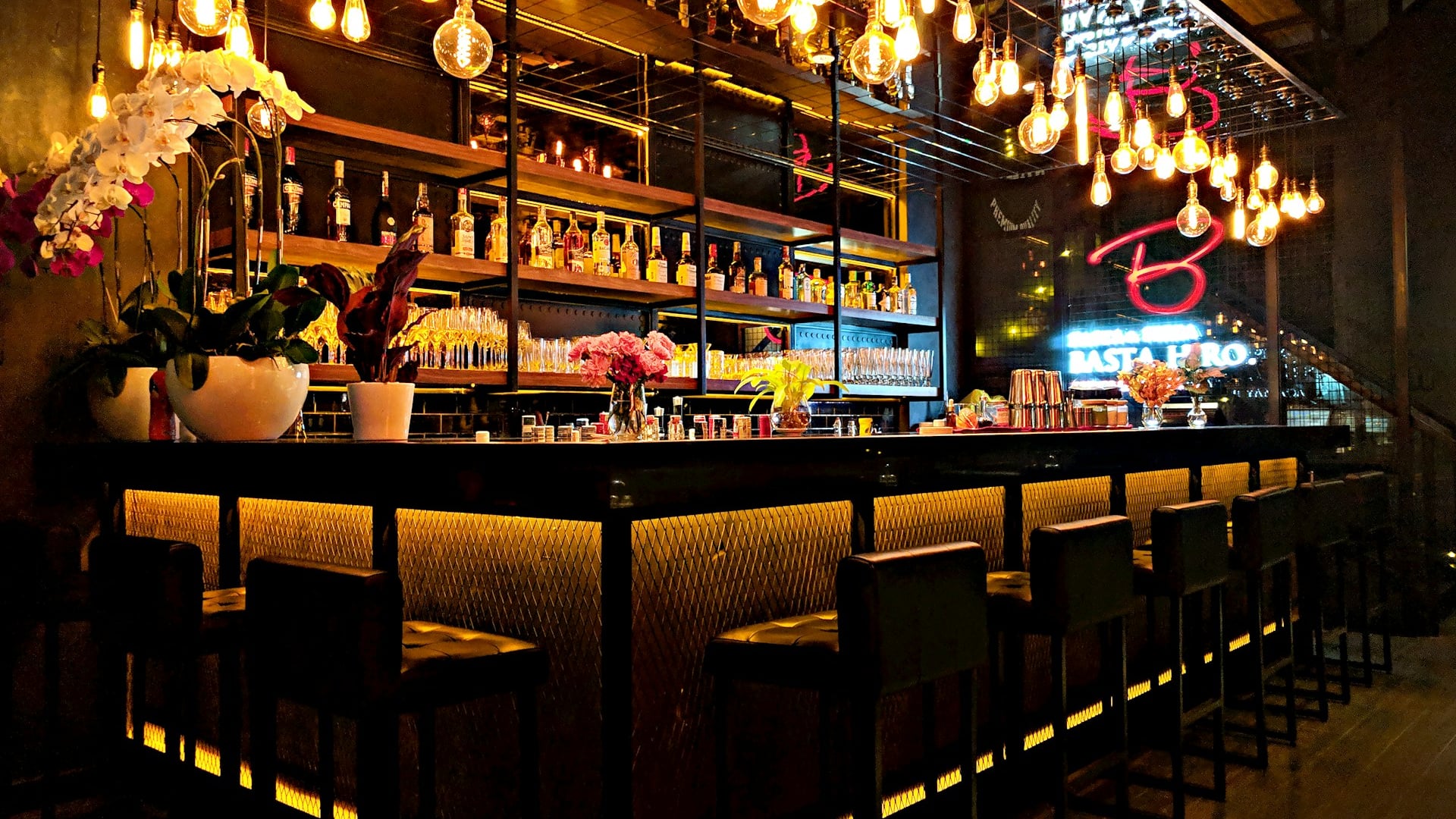
Why Some Places Become More Valuable at Night
Analyzing the multi-cycle utilization of real estate and how the night-time economy unlocks exponential space productivity.
By Guzlands Editorial
Most commercial real estate operates on an eight-hour economic cycle. An office building sits bustling from 9 AM to 5 PM, but for the remaining sixteen hours of the day, it is dark, silent, and economically dormant. The elevators draw minimal power, the hallways are empty, and the space produces zero additional revenue.
The Nocturnal Economy: Unlocking the Second Half of the 24-Hour Cycle
Yet in hospitality and entertainment real estate, the most lucrative hours often begin precisely when the corporate office closes its doors. Between 6 PM and 2 AM, consumer psychology undergoes a dramatic transformation: people move from earning money to spending it on relaxation, celebration, social connection, and indulgence.
Understanding the economics of the night-time economy reveals why certain streets, rooftops, and historic properties command extraordinary valuations: they have learned how to monetize the second half of the 24-hour clock.
A property that can operate smoothly across both daylight and nocturnal hours doubles its commercial utility and delivers vastly superior financial returns.
When analyzing why some places become more valuable at night, institutional underwriters recognize that traditional asset categorizations no longer reflect how real estate creates economic value. Rather than treating physical property as a static shelter, modern investors must evaluate how spatial design, customer behavior, and regional connectivity interact to generate cash flow velocity.
The shift from rigid, single-purpose zoning toward dynamic, experiential hospitality platforms has altered the fundamental yield profile of commercial real estate. Assets positioned in this category achieve higher average ticket sizes, stronger customer loyalty, and durable pricing power across economic cycles.
Historically, institutional capital prioritized volume and scale over character and context. Today, however, demographic and cultural trends have inverted that logic: travelers, diners, and commercial tenants actively avoid commoditized, generic environments in favor of curated spaces that deliver an authentic sense of place.
In emerging and established leisure corridors worldwide, consumer discovery is increasingly mediated by digital curation, peer recommendations, and visual storytelling. This compresses customer acquisition costs for high-character physical assets, allowing independent properties to achieve stabilized occupancy rates that previously required massive multinational marketing consortia.
The underlying investment thesis is straightforward: physical environments that foster emotional resonance and aesthetic distinctiveness enjoy an unassailable moat against digital commodification, ensuring resilient pricing power and multi-decade capital protection.
Consequently, property developers who lead with strong spatial narratives and culinary concepts achieve faster pre-leasing velocity, premium room rate realization, and higher terminal exit valuations compared to peers building standardized physical boxes.
Market data across global destinations confirms that experiential leisure properties consistently sustain ADRs 35% to 60% above regional commodity hotel averages during shoulder and off-peak seasons, demonstrating superior demand stickiness.
This pricing insulation transforms the debt-servicing profile of the asset, reducing cash-flow volatility and protecting equity investors against cyclical macroeconomic downturns.
Margin Asymmetry: The Economics of Beverage Alcohol and Late Dining
The financial dynamics of evening dining and nightlife are fundamentally different from daytime retail or quick-service food. During the day, a café customer might spend ₹300 on a coffee and a croissant and occupy a table for two hours while working on a laptop. In the evening, a party of four at a cocktail lounge or destination restaurant easily spends ₹8,000 to ₹15,000 in the same amount of time.
Beverage sales—including craft cocktails, fine wines, and artisanal spirits—carry some of the highest gross margins in the entire commercial economy, frequently ranging between 75% and 85%. When combined with sharing plates, tasting menus, and celebratory group dining, the revenue generated per square foot of floor space during a busy Friday or Saturday night can easily surpass an entire week of daytime office rent.
Properties that possess the physical characteristics and municipal permissions to host evening hospitality unlock immense economic velocity that standard commercial assets simply cannot match.
This high revenue velocity allows operators to comfortably afford prime rents while generating healthy operating profits that support continuous reinvestment in staff and atmosphere.
At the spatial level, executing why some places become more valuable at night demands disciplined physical planning. Every square foot of built environment carries an initial construction cost and an ongoing maintenance overhead. Maximizing the ratio of net leasable or revenue-generating square footage while ensuring seamless back-of-house logistics is the foundation of operational profitability.
Properties designed with clear structural spans, generous ceiling volumes (3.8m to 4.5m), and unencumbered natural light enjoy immense flexibility. This spatial adaptability allows operators to reconfigure interior layouts as market preferences evolve, preventing functional obsolescence and preserving long-term asset value.
Circulation flows must be engineered to prevent friction: guest arrival pathways should never intersect with service delivery routes, and back-of-house storage areas must be positioned adjacent to loading bays to ensure rapid, quiet restocking without disturbing the guest environment.
Acoustic engineering is equally paramount: utilizing decoupled stud walls, resilient ceiling channels, and double-glazed acoustic laminated glazing achieves a Sound Transmission Class (STC) rating above 54, ensuring social spaces do not interfere with private guest comfort.
HVAC and fresh air handling units must be engineered with dedicated outdoor air systems (DOAS) delivering minimum air exchange rates of 6 to 8 air changes per hour in social areas, paired with energy recovery ventilators (ERV) to minimize mechanical cooling loads.
Kitchen and back-of-house facilities require commercial grease traps with automated skimmers, seamless polyurethane resin flooring for hygiene, and heavy-duty stainless-steel exhaust hoods delivering 2,500+ CFM to guarantee clean air discharge.
In addition, electrical substations should incorporate power-factor correction capacitors and transient voltage surge suppressors to protect high-end commercial refrigeration, espresso equipment, and AV systems from regional grid voltage fluctuations.
Engineering high-efficiency thermal envelopes with double-insulated masonry and low-E spectrally selective glazing reduces HVAC tonnage requirements by 22%, permanently lowering monthly utility overheads.
Smart metering sub-systems installed across guest suites, commercial kitchens, and common areas provide granular telemetry to track energy consumption per occupied room-night, facilitating continuous operational optimization.
Acoustic Decoupling and Vibration Dampening in Mixed-Use Assets
What makes a space feel enchanting, atmospheric, and inviting after dark? It is not just turning down the lights and playing music; it requires intentional architectural and spatial design.
First, lighting is everything. Harsh, overhead fluorescent lighting kills atmosphere instantly. The best night-time venues use warm, low-level, layered lighting—candles on tables, subtle brass wall sconces, concealed uplighting on raw brick or stone, and soft pool lighting on outdoor patios—to create intimacy and comfort.
Second, acoustics and sound control are critical. A great evening venue manages sound so that music creates energy and warmth without drowning out conversation. This requires thoughtful use of acoustic plaster, heavy drapes, upholstered seating, and timber ceilings that absorb harsh reverberations.
Third, the transition between indoor and outdoor space is magical at night. Open-air rooftop terraces with panoramic city or ocean views, hidden garden courtyards with fairy lights, and streetside dining pavilions with glowing lanterns create an irresistible sensory draw that pulls people in from the street.
From an underwriting perspective, the financial architecture of why some places become more valuable at night is characterized by superior gross operating margins (typically 42% to 52%) and multiple non-correlated revenue streams. By combining lodging, curated gastronomy, experiential retail, and private event programming, the asset smooths out mid-week and seasonal occupancy troughs.
On an unlevered return on invested capital (ROIC) basis, this operational efficiency generates stabilized cash yields of 22% to 34%, dramatically outperforming conventional commercial office towers and suburban retail malls while providing robust downside protection during macroeconomic contractions.
When debt financing is structured at conservative loan-to-cost (LTC) ratios of 45% to 55%, the levered cash-on-cash yield expands significantly, allowing sponsors to distribute strong annual dividends while systematically amortizing debt facilities ahead of schedule.
Furthermore, operational breakeven occupancy is achieved at just 32% to 38% of inventory—compared to 58% to 65% in legacy full-service hotels—providing an extraordinary buffer during unexpected regional tourism downturns.
By establishing pricing power on food, beverage, and experiential packages, operators generate a higher revenue per occupied room (RevPOR), offsetting any short-term fluctuations in pure room rates.
Terminal capitalization rates for these high-character assets frequently experience 150 to 250 basis points of compression upon sale, reflecting institutional appetite for scarce, irreplaceable physical assets.
This financial resilience is reinforced by low fixed corporate overheads: decentralized boutique properties operate without heavy central brand franchise fees, allowing gross operating profits to flow directly to asset equity holders.
Sponsors who structure their operations around these lean metrics can maintain positive debt-service coverage ratios (DSCR > 2.0x) even under stress-tested scenarios where occupancy contracts by 25%.
Under full stabilization, the compounding effect of high ADR realization and ancillary culinary revenue delivers equity internal rates of return (IRR) exceeding 26% across a standard 5-to-7-year holding period.
Institutional lenders view this multi-layered cash flow structure favorably, often approving flexible interest-only construction periods that match initial operational ramp-up timelines.
State Excise Licensing, Distance Buffers, and Police Clearances
Running a successful evening and night-time hospitality asset requires a mature, responsible approach to neighborhood integration. The most common pitfall for nightlife operators is acoustic friction with adjacent residential neighbors.
Experienced developers and operators invest heavily upfront in structural soundproofing: floating concrete slabs, double-insulated acoustic glazing, and vibration-damped subwoofer mounts that keep bass frequencies contained within the venue. Clear policies around valet parking, quiet guest dispersal at closing time, and professional security ensure that the venue remains a beloved community asset rather than a nuisance.
Furthermore, navigating municipal liquor licensing, fire safety norms, and police permissions with complete transparency and compliance protects the long-term capital value of the property and ensures uninterrupted operations.
Regulatory and statutory compliance represents a critical risk-management pillar. Securing clear 30-year marketable title, verified Non-Agricultural (NA) conversion permissions under state revenue codes, sanctioned building plans, and mandatory Fire Department NOCs ensures the property maintains full institutional liquidity and unencumbered operating rights.
Additionally, public health registrations under the FSSAI FoSCoS portal, pollution control board consents (CTE and CTO), and local municipal trade licences must be audited systematically to prevent regulatory interruption and protect sponsor capital.
In coastal and mountain zones, properties must strictly adhere to statutory environmental overlays, including Coastal Regulation Zone (CRZ-III) setback mandates, slope stability building norms, and local tree-felling preservation permissions.
Where liquor service, live entertainment, or pool facilities are operated, obtaining State Excise FL-3 bar licences, Police Lodging Licences, and swimming pool safety certificates with clear statutory renewal cadences is mandatory for risk mitigation.
Maintaining unassailable statutory cleanliness is the single most important factor in securing non-recourse senior debt and institutional private equity takeout financing upon stabilized operations.
Institutional lenders and REIT buyers perform rigorous title searches back through multiple generations of ownership; any unresolved inheritance partition or zoning ambiguity can stall a multi-crore recapitalization.
Executing systematic pre-acquisition legal due diligence eliminates title defects and unapproved structural deviations before capital is committed to purchase agreements.
Engaging experienced local land advocates ensures that all revenue mutations, 7/12 land records, and khata certificates accurately reflect commercial classification and clear operational rights.
Furthermore, setting up formal escrow accounts during property acquisition ensures that statutory tax clearances, property tax receipts, and municipal betterment charges are fully cleared prior to final conveyance.
Dual-Format Spatial Planning: From Morning Café to Evening Cocktail Lounge
The pinnacle of hospitality space efficiency is the dual-format property that transitions effortlessly from morning to night. Consider a corner storefront that opens at 7:30 AM as a bright, airy specialty coffee roastery and bakery, serving espresso and pastries to daytime professionals.
As 5:00 PM approaches, the espresso machines are wiped down, the lighting dims, warm candles are lit, the music shifts to ambient jazz or vinyl soul, and the counter transitions into a curated natural wine and cocktail bar serving small plates and charcuterie until midnight.
By utilizing the same physical real estate, plumbing, and lease costs across two complementary dayparts, the operator doubles their revenue potential while providing continuous, warm activation to the street.
Long-term capital preservation requires establishing a dedicated Furniture, Fixtures & Equipment (FF&E) reserve of 4.0% to 5.0% of gross revenues annually. This capital is deployed across structured maintenance cycles: annual soft fit-out refreshes, mid-cycle mechanical overhauls of HVAC chillers and water treatment systems, and 7-year brand repositioning.
Maintaining the building envelope—including roof waterproofing, exterior masonry coatings, and window flashing—protects against moisture penetration, which represents the single largest cause of physical asset degradation in seasonal environments.
Proactive lifecycle asset management prevents deferred capital maintenance accumulation, allowing the property to sustain high RevPAR and command tight exit capitalization rates upon eventual sale or institutional recapitalization.
Electrical sub-stations, backup diesel generator sets, and commercial sewage treatment plants (STP) must have comprehensive annual maintenance contracts (AMC) with original equipment manufacturers to ensure continuous, uninterrupted operational uptime.
Sponsors who treat FF&E reserves as a core balance sheet line item rather than discretionary profit distribution protect the terminal equity valuation of the asset across multi-decade holding periods.
Over a 10-year holding period, disciplined lifecycle capex reinvestment preserves physical asset condition at institutional grade, preventing the 30% to 40% valuation haircut common in neglected legacy hospitality properties.
Regular thermal imaging audits of electrical panels and non-destructive ultrasonic testing of water pipelines identify latent infrastructure wear before catastrophic operational failures occur.
This rigorous maintenance discipline ensures the asset remains in turnkey condition, maximizing operational continuity and tenant satisfaction year after year.
Capital expenditure plans should be audited annually by independent MEP quantity surveyors to benchmark reserve adequacy against actual replacement cost inflation.
Operating RevPASH Benchmarks Across Evening Dayparts
Institutional capital allocators and global hospitality brands increasingly require rigorous Environmental, Social, and Governance (ESG) compliance before acquiring or financing assets. Properties developed around why some places become more valuable at night are inherently well-positioned to achieve green building certifications (such as IGBC Green Resorts or LEED Hospitality standards).
Key sustainable engineering practices include passive bioclimatic architecture to reduce cooling loads, rooftop solar photovoltaic micro-grids providing 30% to 50% of baseload power, on-site rainwater harvesting reservoirs, and zero-waste organic composting.
Equally vital is local community integration: sourcing 60%+ of culinary produce from regional village farmers, hiring 70%+ of operational staff from adjacent panchayats, and preserving regional craft traditions in interior finishes.
Securing formal green building certification lowers long-term utility operating expenses by 18% to 28% while qualifying the asset for sustainability-linked debt financing at subsidized interest margins.
Community-first operational frameworks create an enduring social license to operate, eliminating local municipal friction and establishing regional brand advocacy.
In addition, incorporating circular water recycling systems where 100% of treated wastewater is utilized for irrigation safeguards the asset against municipal water rationing during peak dry summer months.
By embedding measurable sustainability metrics into operational reporting, sponsors enhance their attractiveness to ESG-mandated sovereign wealth funds and institutional real estate vehicles.
These environmental measures transform operating sustainability into a quantifiable financial moat, enhancing bottom-line Net Operating Income (NOI) while protecting local biodiversity.
Documenting these environmental metrics in annual sustainability disclosures provides transparent verification for international institutional funds targeting carbon-neutral real estate portfolios.
Fire Safety Egress and Nightclub Ventilation Standards
As institutional capital continues to recognize the superior risk-adjusted returns of specialized, experiential real estate, assets that embody why some places become more valuable at night will command significant valuation premiums and compressed capitalization rates upon exit.
Institutional buyers look for three primary liquidity catalysts when evaluating an acquisition: verifiable historical EBITDA track records, unencumbered fee-simple land title with full statutory permissions, and an enduring brand reputation that allows seamless management handover or franchising.
At Guzlands, we provide the verified property data, legal transparency, and institutional underwriting frameworks necessary to discover, evaluate, and acquire high-performance hospitality and commercial real estate across global markets.
Ultimately, physical real estate remains the foundational anchor of human connection, leisure, and culinary celebration. Sponsors who combine institutional underwriting rigor with authentic architectural design will continue to generate compounding multi-generational value.
By aligning spatial character with macro-demographic trends and disciplined capital allocation, investors unlock the full economic potential of contemporary hospitality real estate.
Whether developing an adaptive boutique hotel, an agro-tourism retreat, or a vibrant culinary quarter, the convergence of physical place and hospitality experience represents the most compelling frontier in global property investment.
With transparent market discovery, rigorous technical validation, and bespoke transaction advisory, Guzlands empowers investors to capture durable value across dynamic hospitality landscapes worldwide.
As the commercial landscape continues to evolve, disciplined sponsors who anchor their assets in exceptional location fundamentals and authentic spatial execution will continue to define the future of global real estate.
In an increasingly digitized world, destination-grade physical real estate represents the ultimate hard-asset store of enduring economic value.
Find the right property for your next venture.
Explore Properties