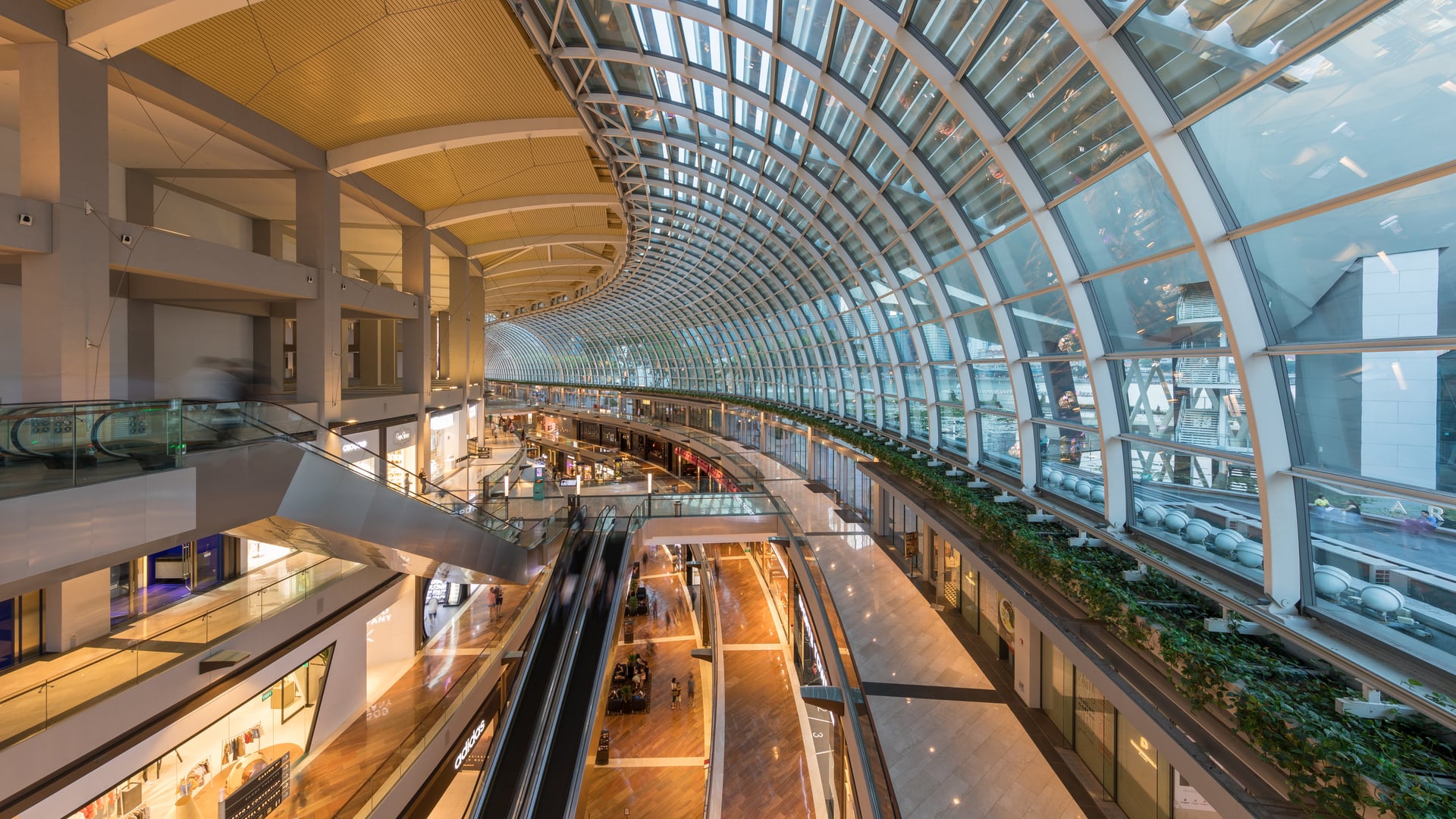
How Cities Create Destinations
How walkability, cultural clustering, and public infrastructure connect hospitality assets into self-reinforcing urban destinations.
By Guzlands Editorial
When city leaders and municipal planners set out to make their city famous, they almost always start with big, expensive engineering projects: a massive concert hall, an eye-catching modern museum, a sports arena, or a towering monument. While these megaprojects make great headlines and look striking in photographs, they rarely create the kind of lasting affection that makes people fall in love with a city.
Beyond Static Monuments: The Architecture of Living Culture
A true urban destination is almost never a single building. It is a neighborhood, a street, a waterfront, or a network of lively public squares where people feel comfortable and stimulated. Visitors and locals don't remember a city for its concrete highway interchanges; they remember the feeling of strolling down a narrow alley, discovering a hidden courtyard café, sitting by a fountain on a warm evening, and watching the city come alive around them.
Creating a real destination is not about monumental engineering; it is about cultivating atmosphere, human comfort, and everyday beauty at the level of the sidewalk.
When a city gets its street-level experience right, it doesn't need to spend millions on advertising—word of mouth and natural human attraction do the work automatically.
When analyzing how cities create destinations, institutional underwriters recognize that traditional asset categorizations no longer reflect how real estate creates economic value. Rather than treating physical property as a static shelter, modern investors must evaluate how spatial design, customer behavior, and regional connectivity interact to generate cash flow velocity.
The shift from rigid, single-purpose zoning toward dynamic, experiential hospitality platforms has altered the fundamental yield profile of commercial real estate. Assets positioned in this category achieve higher average ticket sizes, stronger customer loyalty, and durable pricing power across economic cycles.
Historically, institutional capital prioritized volume and scale over character and context. Today, however, demographic and cultural trends have inverted that logic: travelers, diners, and commercial tenants actively avoid commoditized, generic environments in favor of curated spaces that deliver an authentic sense of place.
In emerging and established leisure corridors worldwide, consumer discovery is increasingly mediated by digital curation, peer recommendations, and visual storytelling. This compresses customer acquisition costs for high-character physical assets, allowing independent properties to achieve stabilized occupancy rates that previously required massive multinational marketing consortia.
The underlying investment thesis is straightforward: physical environments that foster emotional resonance and aesthetic distinctiveness enjoy an unassailable moat against digital commodification, ensuring resilient pricing power and multi-decade capital protection.
Consequently, property developers who lead with strong spatial narratives and culinary concepts achieve faster pre-leasing velocity, premium room rate realization, and higher terminal exit valuations compared to peers building standardized physical boxes.
Market data across global destinations confirms that experiential leisure properties consistently sustain ADRs 35% to 60% above regional commodity hotel averages during shoulder and off-peak seasons, demonstrating superior demand stickiness.
This pricing insulation transforms the debt-servicing profile of the asset, reducing cash-flow volatility and protecting equity investors against cyclical macroeconomic downturns.
The Pedestrian Walkability Multiplier and Eye-Level Activation
Cities are experienced at two fundamentally different speeds: from a car traveling at 50 kilometers per hour, or on foot at 4 kilometers per hour. When an urban district is designed primarily for automobiles, everything becomes coarse, spaced out, and hostile to human senses. Blank concrete walls, wide asphalt lanes, and surface parking lots make walking an exhausting, sensory-deprived chore.
By contrast, when a city prioritizes the pedestrian, magical things happen. At walking speed, human beings can take in intricate architectural details, smell food cooking, read chalkboard menus, hear music, and make spontaneous decisions to enter a shop. Every 50 meters of a walkable street offers a new visual cue and a new reason to pause.
The economic evidence across the globe is unambiguous: walkable urban districts consistently generate significantly higher retail sales, dining revenues, and property valuations per square meter than car-dependent developments. When you make it safe, easy, and delightful for people to walk, commerce naturally follows.
Sidewalks with continuous shade, comfortable benches, clean paving, and zero tripping hazards invite people to linger, transforming a quick errand into an enjoyable two-hour afternoon stroll.
At the spatial level, executing how cities create destinations demands disciplined physical planning. Every square foot of built environment carries an initial construction cost and an ongoing maintenance overhead. Maximizing the ratio of net leasable or revenue-generating square footage while ensuring seamless back-of-house logistics is the foundation of operational profitability.
Properties designed with clear structural spans, generous ceiling volumes (3.8m to 4.5m), and unencumbered natural light enjoy immense flexibility. This spatial adaptability allows operators to reconfigure interior layouts as market preferences evolve, preventing functional obsolescence and preserving long-term asset value.
Circulation flows must be engineered to prevent friction: guest arrival pathways should never intersect with service delivery routes, and back-of-house storage areas must be positioned adjacent to loading bays to ensure rapid, quiet restocking without disturbing the guest environment.
Acoustic engineering is equally paramount: utilizing decoupled stud walls, resilient ceiling channels, and double-glazed acoustic laminated glazing achieves a Sound Transmission Class (STC) rating above 54, ensuring social spaces do not interfere with private guest comfort.
HVAC and fresh air handling units must be engineered with dedicated outdoor air systems (DOAS) delivering minimum air exchange rates of 6 to 8 air changes per hour in social areas, paired with energy recovery ventilators (ERV) to minimize mechanical cooling loads.
Kitchen and back-of-house facilities require commercial grease traps with automated skimmers, seamless polyurethane resin flooring for hygiene, and heavy-duty stainless-steel exhaust hoods delivering 2,500+ CFM to guarantee clean air discharge.
In addition, electrical substations should incorporate power-factor correction capacitors and transient voltage surge suppressors to protect high-end commercial refrigeration, espresso equipment, and AV systems from regional grid voltage fluctuations.
Engineering high-efficiency thermal envelopes with double-insulated masonry and low-E spectrally selective glazing reduces HVAC tonnage requirements by 22%, permanently lowering monthly utility overheads.
Smart metering sub-systems installed across guest suites, commercial kitchens, and common areas provide granular telemetry to track energy consumption per occupied room-night, facilitating continuous operational optimization.
Public Plazas and Waterfronts as Commercial Value Anchors
In great cities, public spaces are not leftover patches of land that developers couldn't build on; they are the heart and soul of the urban fabric. A wide, tree-shaded public plaza, a well-maintained waterfront promenade, or a quiet neighborhood park acts as the communal living room of the city.
These spaces provide what urban sociologists call 'unprogrammed freedom'—places where people can sit without being required to buy a ticket, read a book, watch their children play, meet friends, or simply people-watch. When public spaces are thoughtfully integrated with ground-floor cafés, ice cream parlors, and outdoor dining terraces, the public and private realms reinforce one another seamlessly.
The public square creates the footfall and energy, while the surrounding hospitality businesses provide the coffee, refreshments, and comfortable seats that allow people to linger for hours.
This symbiosis between public open space and private hospitality is the single most reliable recipe for creating high-value urban real estate.
From an underwriting perspective, the financial architecture of how cities create destinations is characterized by superior gross operating margins (typically 42% to 52%) and multiple non-correlated revenue streams. By combining lodging, curated gastronomy, experiential retail, and private event programming, the asset smooths out mid-week and seasonal occupancy troughs.
On an unlevered return on invested capital (ROIC) basis, this operational efficiency generates stabilized cash yields of 22% to 34%, dramatically outperforming conventional commercial office towers and suburban retail malls while providing robust downside protection during macroeconomic contractions.
When debt financing is structured at conservative loan-to-cost (LTC) ratios of 45% to 55%, the levered cash-on-cash yield expands significantly, allowing sponsors to distribute strong annual dividends while systematically amortizing debt facilities ahead of schedule.
Furthermore, operational breakeven occupancy is achieved at just 32% to 38% of inventory—compared to 58% to 65% in legacy full-service hotels—providing an extraordinary buffer during unexpected regional tourism downturns.
By establishing pricing power on food, beverage, and experiential packages, operators generate a higher revenue per occupied room (RevPOR), offsetting any short-term fluctuations in pure room rates.
Terminal capitalization rates for these high-character assets frequently experience 150 to 250 basis points of compression upon sale, reflecting institutional appetite for scarce, irreplaceable physical assets.
This financial resilience is reinforced by low fixed corporate overheads: decentralized boutique properties operate without heavy central brand franchise fees, allowing gross operating profits to flow directly to asset equity holders.
Sponsors who structure their operations around these lean metrics can maintain positive debt-service coverage ratios (DSCR > 2.0x) even under stress-tested scenarios where occupancy contracts by 25%.
Under full stabilization, the compounding effect of high ADR realization and ancillary culinary revenue delivers equity internal rates of return (IRR) exceeding 26% across a standard 5-to-7-year holding period.
Institutional lenders view this multi-layered cash flow structure favorably, often approving flexible interest-only construction periods that match initial operational ramp-up timelines.
Ground-Floor Transparency and Streetscape Connectivity
The most captivating city destinations are rarely built from scratch all at once. The world's most beloved urban districts—from historic European town centers to atmospheric Asian quarters—carry the rich patina of time. Old brick warehouses, stone archways, historic arcades, and narrow lanes give a place an irreplaceable sense of mystery and depth.
When cities carelessly demolish their historic fabric to make way for generic glass-and-steel boxes, they strip away their most valuable competitive asset: their uniqueness. Glass office towers look identical in Dubai, Frankfurt, or Singapore. But a restored spice market, a row of heritage shophouses, or a converted railway terminal can only exist in that specific place.
Forward-thinking cities understand that adaptive reuse and heritage preservation are the highest-return investments in tourism and placemaking. By retrofitting historic structures with modern plumbing, electricity, and hospitality concepts, they create spaces that feel both deeply rooted and fresh.
Heritage structures carry an aura of permanence and authenticity that no new construction can replicate, commanding premium rates for hotels, dining, and cultural venues.
Regulatory and statutory compliance represents a critical risk-management pillar. Securing clear 30-year marketable title, verified Non-Agricultural (NA) conversion permissions under state revenue codes, sanctioned building plans, and mandatory Fire Department NOCs ensures the property maintains full institutional liquidity and unencumbered operating rights.
Additionally, public health registrations under the FSSAI FoSCoS portal, pollution control board consents (CTE and CTO), and local municipal trade licences must be audited systematically to prevent regulatory interruption and protect sponsor capital.
In coastal and mountain zones, properties must strictly adhere to statutory environmental overlays, including Coastal Regulation Zone (CRZ-III) setback mandates, slope stability building norms, and local tree-felling preservation permissions.
Where liquor service, live entertainment, or pool facilities are operated, obtaining State Excise FL-3 bar licences, Police Lodging Licences, and swimming pool safety certificates with clear statutory renewal cadences is mandatory for risk mitigation.
Maintaining unassailable statutory cleanliness is the single most important factor in securing non-recourse senior debt and institutional private equity takeout financing upon stabilized operations.
Institutional lenders and REIT buyers perform rigorous title searches back through multiple generations of ownership; any unresolved inheritance partition or zoning ambiguity can stall a multi-crore recapitalization.
Executing systematic pre-acquisition legal due diligence eliminates title defects and unapproved structural deviations before capital is committed to purchase agreements.
Engaging experienced local land advocates ensures that all revenue mutations, 7/12 land records, and khata certificates accurately reflect commercial classification and clear operational rights.
Furthermore, setting up formal escrow accounts during property acquisition ensures that statutory tax clearances, property tax receipts, and municipal betterment charges are fully cleared prior to final conveyance.
Master-Planning Resilient Cultural and Hospitality Precincts
Creating a lasting destination requires a delicate balance of careful civic planning and spontaneous entrepreneurial freedom. Municipalities need to provide the foundational public goods: clean, well-lit sidewalks, safe crosswalks, ample shade trees, reliable public transit, and clean public restrooms.
Once the civic foundation is in place, the city must step back and allow creative entrepreneurs, chefs, artists, and independent operators to fill the space with life. Flexible zoning that allows outdoor dining, street markets, cultural performances, and mixed residential-commercial use turns a static street into a living, breathing celebration of urban culture.
When public policy aligns with private creativity, a city doesn't just build buildings—it builds an enduring destination that attracts talent, capital, and global admiration.
Long-term capital preservation requires establishing a dedicated Furniture, Fixtures & Equipment (FF&E) reserve of 4.0% to 5.0% of gross revenues annually. This capital is deployed across structured maintenance cycles: annual soft fit-out refreshes, mid-cycle mechanical overhauls of HVAC chillers and water treatment systems, and 7-year brand repositioning.
Maintaining the building envelope—including roof waterproofing, exterior masonry coatings, and window flashing—protects against moisture penetration, which represents the single largest cause of physical asset degradation in seasonal environments.
Proactive lifecycle asset management prevents deferred capital maintenance accumulation, allowing the property to sustain high RevPAR and command tight exit capitalization rates upon eventual sale or institutional recapitalization.
Electrical sub-stations, backup diesel generator sets, and commercial sewage treatment plants (STP) must have comprehensive annual maintenance contracts (AMC) with original equipment manufacturers to ensure continuous, uninterrupted operational uptime.
Sponsors who treat FF&E reserves as a core balance sheet line item rather than discretionary profit distribution protect the terminal equity valuation of the asset across multi-decade holding periods.
Over a 10-year holding period, disciplined lifecycle capex reinvestment preserves physical asset condition at institutional grade, preventing the 30% to 40% valuation haircut common in neglected legacy hospitality properties.
Regular thermal imaging audits of electrical panels and non-destructive ultrasonic testing of water pipelines identify latent infrastructure wear before catastrophic operational failures occur.
This rigorous maintenance discipline ensures the asset remains in turnkey condition, maximizing operational continuity and tenant satisfaction year after year.
Capital expenditure plans should be audited annually by independent MEP quantity surveyors to benchmark reserve adequacy against actual replacement cost inflation.
Urban Policy and Mixed-Use Zoning Frameworks
Institutional capital allocators and global hospitality brands increasingly require rigorous Environmental, Social, and Governance (ESG) compliance before acquiring or financing assets. Properties developed around how cities create destinations are inherently well-positioned to achieve green building certifications (such as IGBC Green Resorts or LEED Hospitality standards).
Key sustainable engineering practices include passive bioclimatic architecture to reduce cooling loads, rooftop solar photovoltaic micro-grids providing 30% to 50% of baseload power, on-site rainwater harvesting reservoirs, and zero-waste organic composting.
Equally vital is local community integration: sourcing 60%+ of culinary produce from regional village farmers, hiring 70%+ of operational staff from adjacent panchayats, and preserving regional craft traditions in interior finishes.
Securing formal green building certification lowers long-term utility operating expenses by 18% to 28% while qualifying the asset for sustainability-linked debt financing at subsidized interest margins.
Community-first operational frameworks create an enduring social license to operate, eliminating local municipal friction and establishing regional brand advocacy.
In addition, incorporating circular water recycling systems where 100% of treated wastewater is utilized for irrigation safeguards the asset against municipal water rationing during peak dry summer months.
By embedding measurable sustainability metrics into operational reporting, sponsors enhance their attractiveness to ESG-mandated sovereign wealth funds and institutional real estate vehicles.
These environmental measures transform operating sustainability into a quantifiable financial moat, enhancing bottom-line Net Operating Income (NOI) while protecting local biodiversity.
Documenting these environmental metrics in annual sustainability disclosures provides transparent verification for international institutional funds targeting carbon-neutral real estate portfolios.
Sustainable Utility and Municipal Environmental Approvals
As institutional capital continues to recognize the superior risk-adjusted returns of specialized, experiential real estate, assets that embody how cities create destinations will command significant valuation premiums and compressed capitalization rates upon exit.
Institutional buyers look for three primary liquidity catalysts when evaluating an acquisition: verifiable historical EBITDA track records, unencumbered fee-simple land title with full statutory permissions, and an enduring brand reputation that allows seamless management handover or franchising.
At Guzlands, we provide the verified property data, legal transparency, and institutional underwriting frameworks necessary to discover, evaluate, and acquire high-performance hospitality and commercial real estate across global markets.
Ultimately, physical real estate remains the foundational anchor of human connection, leisure, and culinary celebration. Sponsors who combine institutional underwriting rigor with authentic architectural design will continue to generate compounding multi-generational value.
By aligning spatial character with macro-demographic trends and disciplined capital allocation, investors unlock the full economic potential of contemporary hospitality real estate.
Whether developing an adaptive boutique hotel, an agro-tourism retreat, or a vibrant culinary quarter, the convergence of physical place and hospitality experience represents the most compelling frontier in global property investment.
With transparent market discovery, rigorous technical validation, and bespoke transaction advisory, Guzlands empowers investors to capture durable value across dynamic hospitality landscapes worldwide.
As the commercial landscape continues to evolve, disciplined sponsors who anchor their assets in exceptional location fundamentals and authentic spatial execution will continue to define the future of global real estate.
In an increasingly digitized world, destination-grade physical real estate represents the ultimate hard-asset store of enduring economic value.
Find the right property for your next venture.
Explore Properties