
Hospitality Trends That Will Never Die
The timeless forces that continue to shape restaurants, hotels, travel, and guest experience — from welcome and trust to food, comfort, service, storytelling, and the enduring need to feel cared for.
Guzlands Editorial
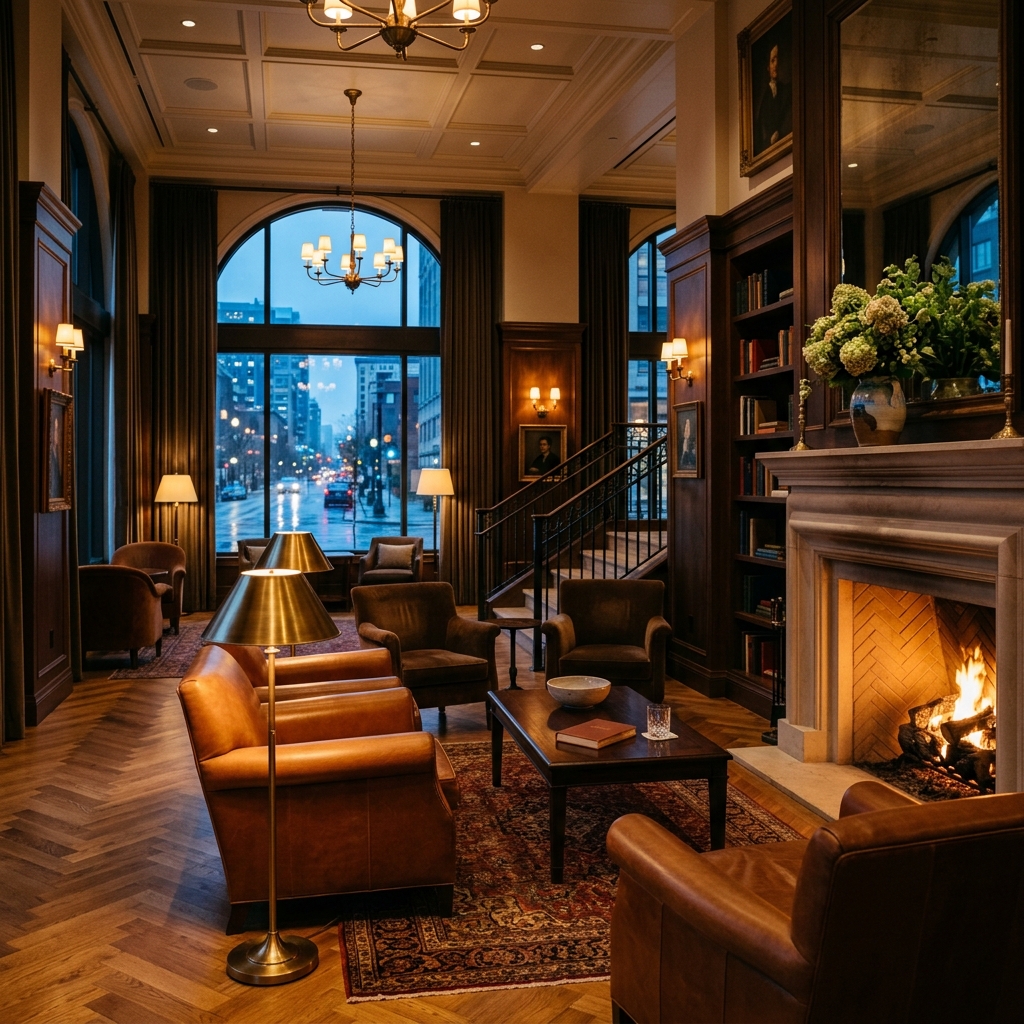
The timeless forces that continue to shape restaurants, hotels, travel, and guest experience.
Hospitality changes constantly. New restaurant formats appear. Hotel brands reposition themselves.
Travel habits shift. Technology changes how people discover, book, review, and pay. Design languages evolve.
Food trends move through cities at remarkable speed. Consumers become more informed, more demanding, and more selective. Operators respond with new concepts, new service models, new menus, new pricing structures, and new ways to reach guests.
Yet beneath all this movement, hospitality is shaped by certain truths that do not disappear.
They may express themselves differently across time, culture, market, and price segment, but they remain. They are not trends in the temporary sense. They are recurring forces. They return because they are rooted in human behavior.
People want to feel welcomed. They want to be understood. They want food that satisfies more than hunger.
They want spaces that make them feel something. They want safety, comfort, recognition, memory, and meaning. They want service that feels competent without becoming cold.
They want value, even when they are paying for luxury. They want the familiar, but not the forgettable. They want the new, but not the hollow.
“The strongest hospitality businesses understand this. They do not chase every trend. They study what does not change.”
1. The desire to feel genuinely welcomed
The oldest hospitality trend is welcome.
Before hospitality became an industry, it was a human act: receiving another person into a space and making them feel safe, respected, and cared for. That instinct remains the foundation of the business.
A guest may forget the exact chair they sat in, the font on the menu, or the check-in system used at the hotel. They rarely forget whether they felt wanted or merely processed.
Genuine welcome is not theatrical. It does not require excessive formality, forced friendliness, or rehearsed language. It comes from attention.
The eye contact at arrival. The tone of voice. The sense that someone has noticed the guest’s presence and is ready to help.
The confidence that the team knows what it is doing.
This matters at every level of hospitality. A luxury hotel must welcome without intimidation. A neighborhood café must welcome without indifference.
A quick-service restaurant must welcome without chaos. A resort must welcome without overcontrol. A fine dining restaurant must welcome without making the guest feel examined.
The expression changes. The principle does not.
Hospitality fails when guests feel like interruptions. It succeeds when they feel expected.
2. The need for trust
Trust is permanent.
Every hospitality transaction includes vulnerability. The guest is eating food prepared by someone else, sleeping in a room maintained by someone else, relying on service, hygiene, safety, pricing, timing, and accuracy. Even in casual settings, the guest is placing trust in the operator.
That trust is fragile. A dirty bathroom can damage it. A misleading photograph can damage it.
A hidden charge can damage it. A rude interaction can damage it. A poor response to a complaint can damage it.
An inconsistent experience can damage it.
Trust is not built only through brand reputation. It is built through thousands of small signals: cleanliness, clarity, punctuality, transparency, consistency, professionalism, and accountability.
In hotels, trust means the room will be clean, secure, and ready. In restaurants, it means the food will be safe, fairly priced, and as described. In travel, it means the experience will match the promise.
In events, it means the operator can handle pressure. In delivery, it means the order will arrive correctly and in acceptable condition.
The modern guest may be influenced by design, storytelling, social media, or reviews, but trust remains the deciding layer. Without it, nothing else holds.
3. Food as culture, comfort, and identity
Food trends change quickly. Ingredients rise and fall. Cuisines become fashionable.
Techniques move from fine dining to casual formats. Health preferences shift. Beverage culture evolves.
Global influences travel faster than ever.
But food itself will always remain one of hospitality’s deepest emotional anchors.
People do not eat only for nutrition. They eat for comfort, memory, identity, status, curiosity, celebration, routine, and belonging. Food carries family, region, migration, class, religion, agriculture, seasonality, and personal history.
A dish can make someone feel at home. It can also make them feel they have entered somewhere new.
That dual power will never disappear.
This is why food-led hospitality remains so resilient. Restaurants, cafés, bakeries, bars, markets, hotel restaurants, culinary destinations, and home-style dining experiences continue to matter because food is one of the most direct ways people experience place and care.
Even in hotels, food can shape memory more strongly than the room. A breakfast can define the morning. A bar can create the social life of a property.
A restaurant can become the reason to visit. A simple local dish can give the guest a more meaningful connection to the destination than an expensive but generic meal.
Food trends will continue to change. But food as emotion will not.
4. The search for a sense of place
Generic hospitality has limits.
Guests may tolerate sameness when they need efficiency, reliability, or price certainty. But the deeper desire for place remains. People want to feel where they are. They want some relationship between the experience and its surroundings.
This does not mean every hotel must be rustic, every restaurant must be regional, or every café must be hyper-local. Sense of place can be expressed with restraint. It may come through architecture, materials, food, service style, music, art, scent, local partnerships, landscape, language, or simply the rhythm of the space.
The key is coherence. A hotel in the mountains should not feel indistinguishable from one in an airport district unless that is the deliberate proposition. A restaurant in a historic neighborhood should understand the cultural weight of its location.
A coastal resort should respect climate, light, wind, access, and landscape. A city café should understand the street it belongs to.
Travelers increasingly value specificity because modern life produces so much sameness. But this desire is not new. People have always wanted places to carry identity.
The best hospitality businesses do not merely occupy a location. They belong to it.
5. Comfort, always
Comfort is often underestimated because it sounds basic. It is not.
Comfort is one of the most durable drivers of hospitality value. A guest may be attracted by concept, design, reputation, or novelty, but the experience will fail if they are physically uncomfortable.
In hotels, comfort means sleep quality, temperature control, lighting, quietness, water pressure, bedding, cleanliness, storage, privacy, and ease of use. In restaurants, it means seating, acoustics, lighting, table spacing, service rhythm, menu readability, and the ability to enjoy the meal without friction. In cafés, it may mean a chair, a plug point, a calm counter flow, and the feeling that one can stay without being rushed. In resorts, it includes movement, shade, climate, accessibility, and pacing.
Comfort does not mean luxury. A simple guesthouse can be comfortable. A luxury hotel can be uncomfortable.
A modest restaurant can make guests feel at ease. An expensive restaurant can make them tense.
The point is not softness alone. It is the removal of unnecessary strain.
Hospitality businesses often focus heavily on what they want guests to notice. Comfort is often about what guests should not have to notice: bad lighting, awkward service, confusing layouts, slow check-ins, noisy rooms, unstable tables, poor ventilation, uncomfortable beds, unclear signs, or poorly timed food.
Comfort is quiet excellence. It will never go out of demand.
6. Cleanliness as a visible and invisible standard
Cleanliness is not a trend. It is a permanent condition of trust.
Guests may differ in taste, budget, and expectation, but almost no guest is indifferent to cleanliness. Hygiene is both practical and emotional. A clean space communicates care. An unclean space creates doubt that spreads across the entire experience.
If the floor is dirty, the guest wonders about the kitchen. If the bathroom is neglected, the guest questions the management. If the room smells stale, the guest doubts the bedding. If the table is sticky, the guest loses confidence in the food.
Cleanliness is more than sanitation. It is a management signal. It shows whether the operator sees details.
It shows whether standards are enforced when no one is watching. It shows whether staff are trained, supervised, and resourced properly.
In hospitality, cleanliness must be both visible and invisible. Guests should see evidence of care, but they should not feel surrounded by anxiety or harshness. The best operations make cleanliness feel natural.
No amount of branding can compensate for poor cleanliness.
7. Service that feels human
Technology will continue to change hospitality. Booking, payments, guest communication, ordering, inventory, pricing, reviews, and personalization will become more automated and data-driven. Many of these changes are useful. They reduce friction, improve efficiency, and help operators make better decisions.
But human service will remain central.
Hospitality is one of the few industries where emotional intelligence is part of the product. A guest does not judge service only by speed. They judge tone, timing, awareness, flexibility, and judgment.
The best service is not always formal. It is appropriate. A luxury property may need polished discretion.
A neighborhood restaurant may need warmth and familiarity. A fast casual brand may need speed and clarity. A boutique hotel may need personal attention.
A resort may need confidence and calm. A café may need the ability to recognize regulars without becoming intrusive.
Human service matters most when something goes wrong. A delayed room, a wrong order, a billing issue, a complaint, a special request, a confused guest, a tired traveler, a family with children, an elderly guest, a dietary restriction — these moments reveal whether hospitality is real or only operational.
Technology can support service. It cannot replace care.
8. Recognition and belonging
People like to be remembered. Not always publicly, and not always intensely, but meaningfully. A regular guest at a café appreciates being recognized.
A hotel guest appreciates preferences being remembered. A restaurant guest appreciates thoughtful attention to occasion, allergy, table preference, or pacing.
Recognition creates belonging. Belonging creates loyalty.
This is one reason hospitality businesses with regular customers can become institutions. They are not just places of transaction. They become part of people’s lives.
The coffee before work. The restaurant for anniversaries. The hotel that feels reliable in a city.
The bar where the staff knows the preferred drink. The bakery associated with family celebrations.
The desire for belonging does not disappear in premium hospitality. It may become more subtle. High-end guests may not want familiarity that feels casual, but they still value being understood.
The future of loyalty will not be built only through points, discounts, or memberships. It will be built through recognition that feels intelligent and respectful.
9. Value for money, at every price point
Value is not the same as cheapness.
A guest can pay very little and feel overcharged. A guest can pay a premium and feel the experience was worth it. Value is the relationship between expectation, price, quality, emotion, and outcome.
This is permanent. In budget hospitality, value may mean cleanliness, safety, convenience, and reliability. In mid-market hospitality, it may mean comfort, location, consistency, and service.
In luxury hospitality, it may mean privacy, precision, taste, access, and emotional resonance. In restaurants, it may mean portion, flavor, ingredient quality, atmosphere, service, and occasion.
Guests are often willing to pay more when the value is clear. They resent paying when the experience feels careless, inflated, or dishonest.
This is particularly important in hospitality because pricing is often emotional. A meal, stay, or trip is not evaluated only against cost. It is evaluated against memory.
Did it feel worth leaving home? Worth bringing someone? Worth celebrating there?
Worth returning?
Businesses that understand value can charge confidently. Businesses that do not understand value rely on discounts, hype, or location. That is not durable.
10. The power of design restraint
Design trends come and go. But thoughtful restraint remains valuable.
Hospitality design is not about decoration alone. It shapes mood, movement, comfort, perception, and memory. The best design supports the experience rather than overwhelming it.
There will always be a market for expressive, dramatic, or highly stylized spaces. But even those need discipline. Excess without purpose becomes tiring.
Visual noise ages quickly. Expensive materials cannot fix poor proportion. A photogenic room that is uncomfortable is bad hospitality.
Design restraint does not mean minimalism in every case. It means knowing what matters. It means allowing the guest to feel the space without being attacked by it.
It means choosing materials, lighting, seating, sound, and flow with care. It means understanding that design must survive daily use. It means respecting the difference between an image and an experience.
The strongest hospitality environments often feel inevitable. They do not look assembled from trend references. They feel coherent.
As tastes change, coherence remains.
11. Storytelling, when it is earned
Hospitality has always used story. A hotel may carry the history of a building. A restaurant may express a chef’s childhood, a region, a technique, or an ingredient philosophy.
A resort may be shaped by landscape. A bar may be built around ritual. A bakery may carry family memory.
A café may become a neighborhood story.
Story helps people care. But storytelling only works when it is supported by substance.
Guests are increasingly skilled at detecting empty narratives. A concept that speaks about heritage but serves generic food will feel false. A hotel that claims connection to place but looks copied from elsewhere will feel weak. A restaurant that talks about craft but cannot execute consistently will lose credibility.
The durable trend is not storytelling as marketing. It is meaning as structure.
The story should guide real decisions: menu, sourcing, design, service, hiring, partnerships, pricing, and guest communication. When story is operationally true, it becomes powerful. When it is decorative, it becomes noise.
Hospitality will always need story because people remember meaning better than specifications. But the story must be earned.
12. Local connection
Local connection will remain one of hospitality’s strongest advantages. This includes local food, local materials, local staff, local partnerships, local art, local knowledge, local rituals, and local relationships. But it should not be reduced to surface-level symbolism.
The best local connection creates mutual value. Guests receive a richer experience. Local producers gain business.
Staff bring cultural intelligence. The property becomes more rooted. The destination benefits from responsible participation rather than extraction.
A hotel that knows its neighborhood can guide guests better. A restaurant connected to local suppliers can offer more distinctive food. A resort engaged with local communities can create more meaningful experiences. A café rooted in its area can become part of daily life.
Global brands can also do this well, but only if they allow local intelligence to shape the experience.
Local connection is not nostalgia. It is competitive strategy. In a world where many hospitality experiences can look similar, local depth creates defensibility.
13. The need for escape
Hospitality has always offered escape.
Not necessarily luxury escape. Not always travel. Sometimes escape is a meal after a difficult week, a quiet coffee alone, a hotel room during a business trip, a weekend away, a bar with friends, a resort stay, or a small bakery ritual.
People need places that change their state. This need will continue.
Modern life is busy, compressed, and often overstimulated. Hospitality can offer a pause. A different rhythm.
A controlled environment where someone else handles the details. This is part of the emotional value of the industry.
Escape may be expressed through wellness retreats, boutique hotels, destination restaurants, quiet cafés, private villas, nature resorts, members’ clubs, or simple neighborhood places that provide comfort. The format changes, but the function remains.
Good hospitality allows people to step out of their ordinary pressures for a while. That is not trivial. It is one reason the industry survives downturns, crises, and cultural shifts. People may reduce spending, but they rarely stop needing moments of restoration, connection, and pleasure.
14. Celebration and ritual
Hospitality is deeply tied to celebration.
Birthdays, anniversaries, weddings, promotions, reunions, proposals, festivals, family meals, business dinners, religious occasions, travel milestones — these moments need places. They need food, service, atmosphere, and care.
This will never die.
Celebration gives hospitality recurring emotional demand. It also raises the standard. When people choose a place for an important occasion, they are trusting the business with memory.
Failure feels larger. Success creates loyalty.
Ritual is equally powerful. The weekly breakfast. The Friday drink.
The annual vacation. The post-work snack. The Sunday family lunch.
The first coffee of the day. The hotel a business traveler returns to. These rituals make hospitality part of life rather than a one-time purchase.
Smart operators understand both celebration and ritual. Celebration brings intensity. Ritual brings frequency. A strong hospitality business often serves both.
15. Consistency
Consistency is one of the most underrated hospitality trends because it is not glamorous. It is also one of the most important.
A guest returns because they believe the experience can be repeated. The same cleanliness. The same flavor.
The same warmth. The same comfort. The same reliability.
The same standard of care.
Consistency does not mean sterility. It does not mean every interaction is identical. It means the promise is dependable.
This is difficult to achieve because hospitality is delivered by people, under pressure, every day. Staff change. Suppliers change.
Costs change. Demand fluctuates. Equipment breaks.
Guests arrive with different expectations.
Consistency requires systems. Recipes. Training.
Cleaning routines. Maintenance schedules. Service standards.
Quality checks. Feedback loops. Leadership attention.
Supplier discipline.
Great hospitality feels natural to the guest because it is disciplined behind the scenes. Consistency is the bridge between one good experience and a lasting business.
16. The appetite for novelty
While many durable trends are rooted in comfort and trust, novelty also never dies.
People want to discover new places, new flavors, new destinations, new formats, new chefs, new rooms, new rituals, and new forms of experience. Hospitality benefits from curiosity.
But novelty has to be handled carefully. Newness can attract attention, but it does not guarantee endurance. Many concepts open strongly and fade quickly because they are more interesting than useful, more visual than operational, or more fashionable than meaningful.
The durable pattern is not novelty for its own sake. It is renewal.
Hospitality must keep giving people reasons to return, talk, try, and remember. This may come through seasonal menus, cultural programming, refreshed spaces, guest collaborations, destination experiences, or simply evolving with the customer.
“The best operators combine novelty with reliability. Guests come because something feels fresh. They return because the foundation is strong.”
17. The importance of the host
Hospitality businesses often talk about brands, but the figure of the host remains powerful.
The host may be a chef, hotelier, general manager, owner, bartender, maître d’, family operator, or service team. The role is the same: someone must carry the spirit of the place.
Guests respond to a sense of stewardship. They like to feel that someone cares. That the place has a point of view.
That standards are held. That hospitality is not anonymous.
This is especially visible in independent restaurants, boutique hotels, family-run stays, cafés, and destination properties. But even large hospitality companies need a hosting culture. Without it, the experience becomes mechanical.
The host does not need to be physically present in every interaction. But the host’s values should be.
A place without a host may function. A place with a host can become memorable.
18. Reputation as currency
Reputation has always mattered in hospitality. What has changed is how quickly it travels.
Historically, reputation moved through word of mouth, guidebooks, critics, local standing, and repeat guests. Today, it moves through reviews, social media, search results, creator content, booking platforms, and private recommendations.
But the underlying truth is old: hospitality businesses live or die by what people say after they leave.
Reputation is not built by marketing alone. It is built by the gap between promise and experience. When the experience exceeds the promise, reputation strengthens. When the promise exceeds the experience, reputation weakens.
This makes operational truth essential. Every advertisement, photograph, menu description, room category, review response, and staff interaction shapes reputation. The business cannot fully control what guests say, but it can control the standards that influence what they are likely to say.
In hospitality, reputation is not a department. It is the outcome of the whole operation.
19. The importance of timing
Timing is central to hospitality.
A room ready on time. Food served at the right pace. Coffee delivered quickly in the morning.
A complaint handled before frustration grows. A welcome offered at arrival, not after confusion. A bill brought without making the guest feel rushed.
Housekeeping done before the guest returns. Transport arranged when needed. Breakfast available when promised.
Hospitality is full of time-sensitive moments. Being late damages trust. Being too fast can feel careless. Good timing feels invisible because it matches the guest’s rhythm.
This is why operational coordination matters so much. Kitchen timing, reservation pacing, staff scheduling, housekeeping systems, maintenance response, and guest communication all shape the experience.
Luxury often expresses itself through timing. So does competence. A business that respects the guest’s time earns confidence.
20. The need to feel cared for
At the center of all enduring hospitality trends is one simple human need: people want to feel cared for.
Not controlled. Not overwhelmed. Not manipulated. Cared for.
Care can be expressed through a warm greeting, a clean room, a well-made dish, a remembered preference, a fair response to a mistake, a comfortable chair, a clear sign, a thoughtful recommendation, or a staff member noticing what is needed before being asked.
Care is not softness. It is operational attention directed toward the guest’s well-being.
This is why hospitality is difficult to fake. Guests can feel when a place is merely performing service. They can also feel when a place has genuine care in its culture.
Care creates emotional memory. And emotional memory is the strongest form of hospitality value.
What will change, and what will not
The hospitality industry will continue to evolve. Technology will become more embedded. Design preferences will shift.
Travelers will seek new destinations. Food formats will change. Sustainability expectations will grow.
Labor models will adapt. Real estate pressures will influence concepts. Distribution channels will keep changing.
Brands will rise, fade, merge, and reinvent themselves.
But the deepest drivers will remain.
“Welcome. Trust. Comfort.
Cleanliness. Food. Place.
Service. Recognition. Value.
Story. Local connection. Escape.
Celebration. Consistency. Novelty.
Hosting. Reputation. Timing.
Care.”
These are not old-fashioned ideas. They are the permanent architecture of hospitality.
The businesses that endure are usually not the ones that chase every trend first. They are the ones that understand which changes matter and which fundamentals must never be compromised.
A hotel can be modern, digital, minimal, luxurious, local, affordable, independent, branded, urban, remote, or experiential. A restaurant can be casual, fine dining, delivery-led, chef-driven, regional, global, fast, slow, traditional, or experimental. A café can be design-led, neighborhood-led, work-friendly, coffee-obsessed, bakery-led, or community-driven.
The format can change. The human need underneath remains.
Hospitality is ultimately not about trends. It is about the repeated act of making people feel that, for a period of time, they are in the right place and being properly looked after.
That will never die.